What was going wrong
The national fuel authority set standards for every vehicle in the country, but had no measured data on what those engines consumed or emitted in real conditions. Policy relied on manufacturer claims and foreign test reports.
Local fuel quality, traffic patterns, and vehicle age all affected performance. None of these were captured in the data the authority held. It was regulating a fleet it did not understand.
How we built it
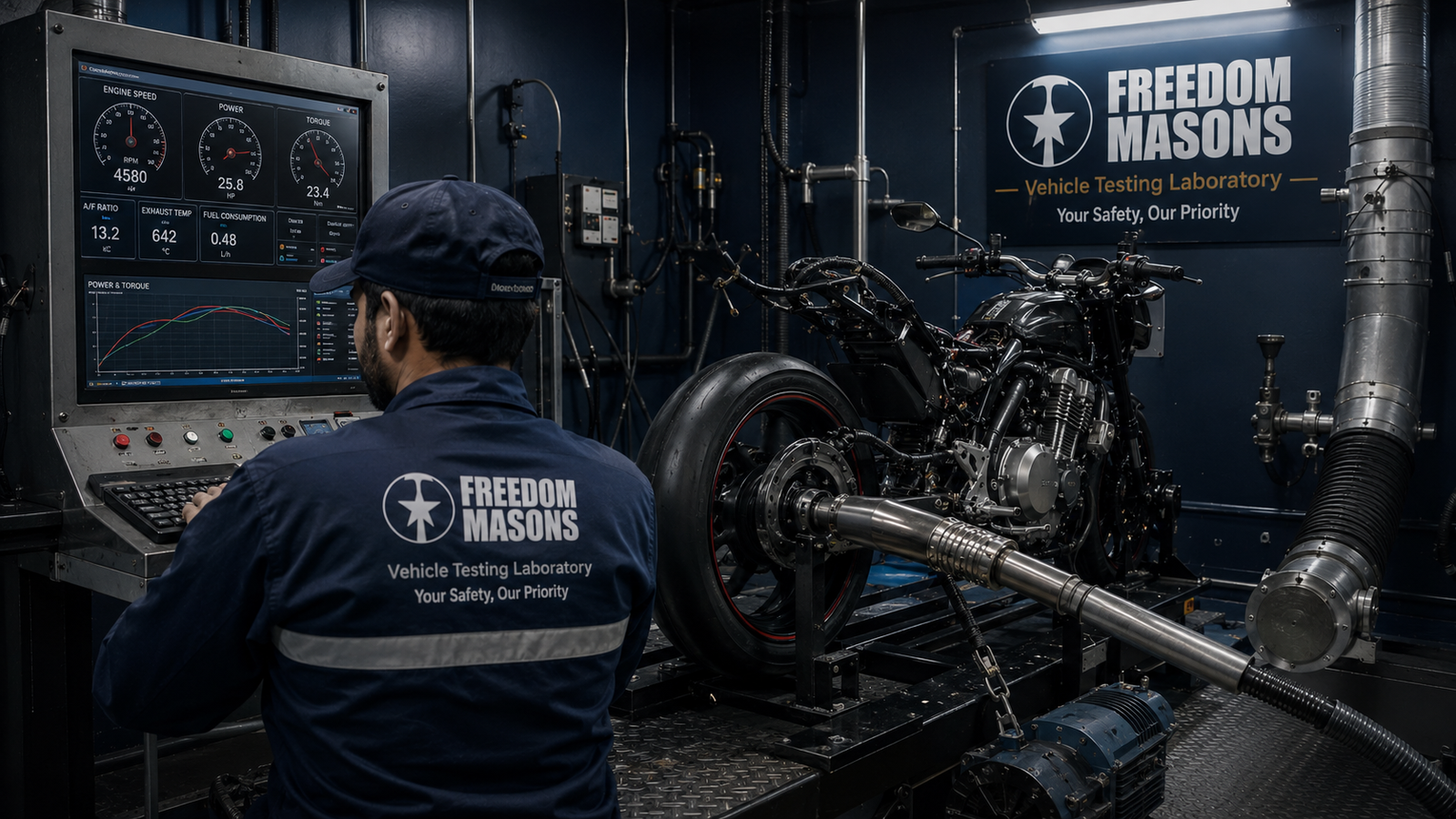
We designed a testing protocol for motorcycles, auto-rickshaws, and small cars, then ran it across multiple cities on local fuel and in real traffic. Every test measured fuel consumption, emissions, and power output under standardized conditions.
The data was checked for consistency, mapped to vehicle categories, and compared against manufacturer claims. Where claims and reality diverged, we documented the gap.
Where it landed
The authority received a complete national data set on its actual fleet: what engines consume, what they emit, and how efficiency varies by vehicle type, age, and operating condition.
That data became the foundation for updated fuel standards, revised import regulations, and the first emission enforcement program based on measured evidence rather than manufacturer paperwork.